
No Parking
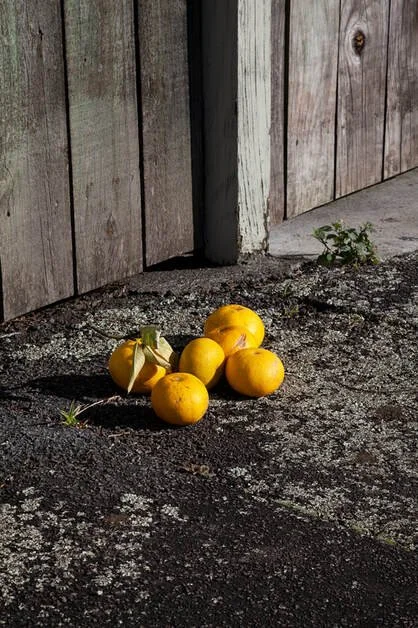
This series explores a consistent thread developed within my practice over recent years. Is it simply too comfortable to photograph so close to home? Or rather is it the hardest challenge - to continue to see where you have already been looking.
Many of the images captured for this project were taken within walking distance of the gallery space where they will be first exhibited. A circumstance of proximity, they are borne from the desire to capture in a perceived ‘safe’ zone, an area between my apartment and studio space in central Whanganui. When I was younger, the idea of being in ‘town’ did not feel comfortable to me. Now I feel more connected to the pathways, streets and buildings, especially when I have my camera guiding me. The parameters of the urban environment provide a welcome set of directions and instructions, creating a place from which to contain. But you can’t stay here for long.
Is it healthy to linger or leave? I can stand with my feet in a no parking zone to take a picture, but I cannot stay longer than the act of photography requires. Staying in your car will not sustain, you need to get out and move ahead one step at a time. Frame by frame, the photograph becomes a holding space for moments that cannot be maintained. Is the very act of photography preventing me from being grounded in those moments? The image becoming a transitional marker, stuck in a constant state of waiting. The viewer may stop by to see it, but they can’t look forever. Must we be invited to see?
I find the camera gives me permission to experience a place. Acting like a safety barrier for the world, so I can move through it. Pressing the shutter tears that safety net with every click. Offering a point of focus that can be moved through and actioned by your own body. As a woman, I am beginning to realise just how my camera acts as both a freeing object, but also something to hide behind. What do we permit ourselves to engage with? Could I walk through these spaces alone if I did not have my camera with me? Or would I not choose to walk through them at all, if it was not around my neck.
Samantha Matthews, September 2026